How to Choose the Best Led Backlit Lcd Modules for Your Needs?
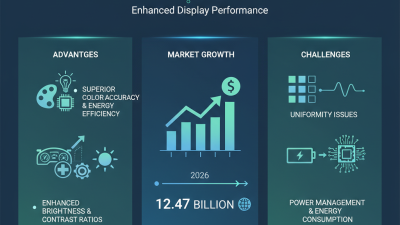
Selecting the right LED backlit LCD modules is crucial for various applications. These modules have gained popularity due to their energy efficiency and vibrant display capabilities. According to industry reports, the global market for LED backlit LCD modules is expected to reach $28 billion by 2027. This growth underscores the increasing reliance on advanced display technology in sectors like consumer electronics, automotive, and healthcare.
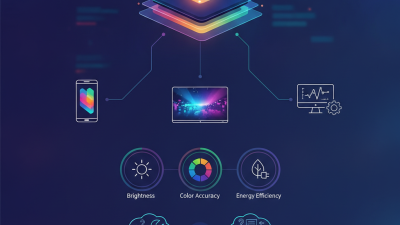
When choosing LED backlit LCD modules, consider their luminance, color accuracy, and energy consumption. Data from the International Display Research suggests that high-quality modules can reduce energy use by up to 40%. However, not all products meet this standard. Some manufacturers may overstate their module specifications, leading to potential disappointments after purchase.
It's critical to evaluate the specifications carefully. Look for verified performance metrics to ensure reliability. Not all LED backlit LCD modules are created equal. Choosing inferior products can result in poor performance or a shorter lifespan. Understand the market and make informed decisions to fully leverage the benefits these advanced displays offer.
Understanding LED Backlit LCD Modules: Key Features to Consider
When selecting an LED backlit LCD module, identifying key features is crucial. Resolution is one of the primary factors. A higher resolution provides clearer images. In 2022, reports indicated that 4K resolutions accounted for 30% of LCD panel shipments. This trend underlines the growing demand for high-definition displays across various applications.
Another important feature is brightness, measured in nits. Modules with brightness levels of 400 nits or more are ideal for environments with high ambient lighting. Studies show that displays with high brightness improve visibility and user experience significantly. However, overly bright screens can lead to eye strain, especially in low-light conditions. Balancing brightness is essential for effective use.
Color reproduction is also a vital consideration. Modules with better color accuracy enhance visual appeal. Data from industry analysis shows that displays with a color gamut covering over 90% of the sRGB spectrum are increasingly preferred. However, users might overlook calibrating their displays, resulting in inaccurate color representation. Regular calibration practices can help maintain display quality over time. Making informed decisions about these features leads to more effective use of LED backlit LCD modules.
Assessing Your Display Requirements: Size, Resolution, and Brightness
When selecting LED backlit LCD modules, assessing your display requirements is crucial. Size matters significantly. Determine where the module will be placed. A smaller size might work well for handheld devices but could feel cramped for larger applications. Think about where your audience will engage with the display. It’s essential to find a balance that suits both aesthetics and functionality.
Resolution is another key factor. Higher resolutions provide clearer images and text, making them ideal for detailed graphics. However, this usually comes at a higher cost. Evaluate the necessary resolution based on your content type. For basic uses, a standard resolution could suffice. Yet, if your work involves intricate designs, a higher resolution is worth considering.
Brightness is often overlooked but is crucial for visibility. Different environments will require varying brightness levels. A bright display is essential for outdoor use. Indoors, less brightness might still deliver exceptional performance.
Tips: Always check the lumens rating. This helps gauge how bright the display will be. Consider how ambient light will affect visibility. Investing in modules with adjustable brightness can be beneficial. Additionally, aim to use models with good energy efficiency to reduce long-term costs.
Comparing Types of LED Backlighting: Edge-lit vs. Direct-lit Options
When choosing between edge-lit and direct-lit LED backlighting, understanding the key differences is crucial. Edge-lit panels use LEDs placed along the edges of the screen. This design allows for thinner displays and can save space. However, it may result in uneven lighting, especially in darker scenes. On the other hand, direct-lit LED modules place LEDs behind the screen, providing more uniform brightness. This option can deliver better color accuracy but tends to make the panel thicker.
Tips to consider: Think about the environment where the display will be used. For well-lit rooms, edge-lit can be sufficient. If you're watching movies in dark rooms, direct-lit may be a better choice.
Another point to reflect on is your budget and use case. Edge-lit modules often cost less and are lighter, but they may not perform as well for professional applications. If color fidelity matters for your work, investing in direct-lit technology could prove beneficial in the long run. Ultimately, assessing your needs and preferences will help narrow down your options.
Comparison of LED Backlighting Types: Edge-lit vs. Direct-lit
Evaluating Power Consumption and Efficiency in LCD Modules
When choosing LED backlit LCD modules, power consumption is crucial. Efficient modules reduce energy costs and promote sustainability. Reports indicate that LED backlighting can lower energy usage by 50% compared to traditional CCFL backlights. This is particularly important as energy efficiency standards become stricter across various industries.
Understanding the operational efficiency of LCD modules helps in selecting the best option. A well-designed module can deliver high brightness but consume less power. Many modern LCDs achieve around 100 to 150 nits per watt. This means that a module offering 200 nits could draw just 2 watts. Such efficiency can directly impact long-term operational costs.
However, not all modules are created equal. Some may promise high efficiency, yet fail to deliver under real-world conditions. It's essential to investigate efficiency ratings in actual usage scenarios. Reviews and case studies can expose discrepancies that technical specifications may not reveal. Thus, thorough evaluation of power consumption is key to making an informed decision.
Looking at Manufacturer Reputation and Warranty Options for Selection
Choosing the right LED backlit LCD module involves careful consideration of manufacturer reputation and warranty options. A reputable manufacturer signals reliability. They often provide products that meet industry standards. This can save you from future issues.
Warranty options are crucial too. A longer warranty shows confidence in the product’s quality. Short warranties may indicate potential problems. It's wise to read reviews and user experiences. This helps gauge others’ satisfaction with the module.
Tips: Research user feedback on various platforms. Look for common themes in experiences. Ask questions in forums to gather insights. A knowledgeable community can guide your decision. Always consider the trade-offs between features and price. Sometimes, a more economical choice might not meet your needs.

 +86-13662287276