2026 How to Grade Rugged Screens for Optimal Performance?
In the world of technology, rugged screens stand out for their durability and resilience. Industries like construction and military rely on these tough displays. However, to truly optimize performance, one must learn how to grade rugged screens effectively. The grading process involves assessing various factors that contribute to a screen's longevity and functionality.
Quality matters in rugged screens. Factors such as impact resistance, waterproofing, and temperature tolerance define their grading. A higher grade indicates superior performance in extreme conditions. It’s essential to recognize that not all rugged screens are created equal, and understanding the grading system can guide your purchasing decisions.
Many users overlook critical specifications. They often prioritize brand names over actual performance metrics. This oversight can lead to inadequate choices in demanding environments. Reflecting on the grading criteria helps in making informed decisions. Ultimately, the goal is to ensure that the selected rugged screen meets the specific needs of the task at hand.
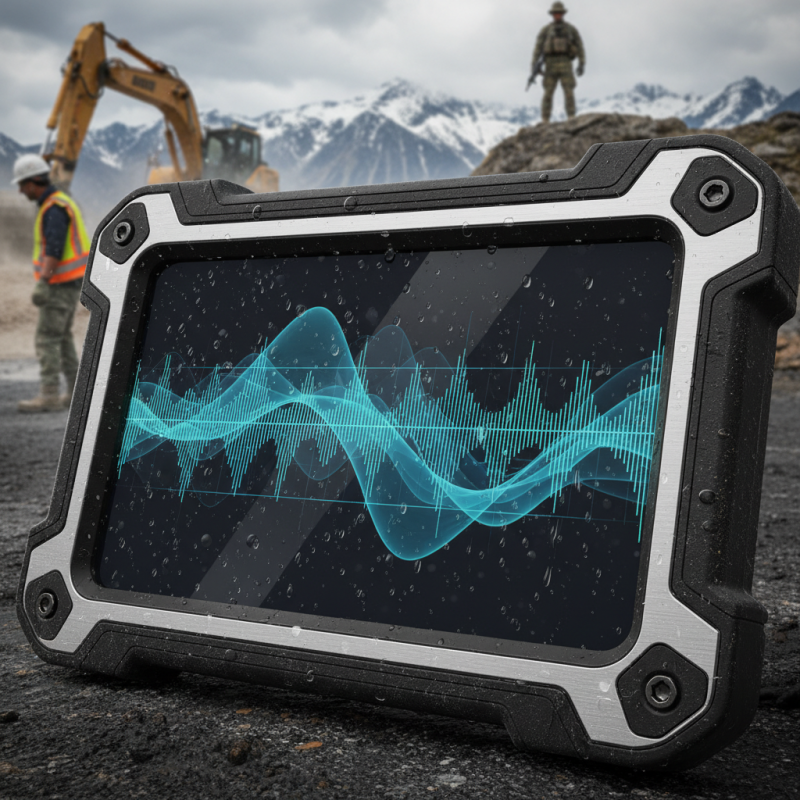
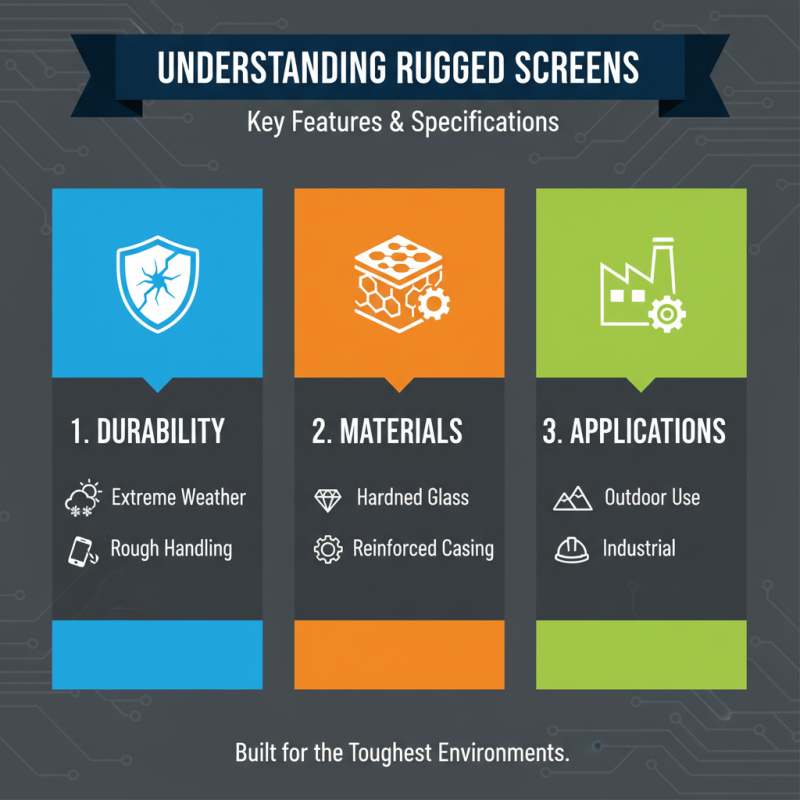
Understanding Rugged Screens: Key Features and Specifications
When evaluating rugged screens, it's essential to focus on key features and specifications. Durability is at the forefront. A rugged screen should withstand extreme weather and rough handling. Look for materials like hardened glass and reinforced casings. These elements are essential for outdoor use and industrial applications.
Another key feature is brightness. A screen with high brightness ensures visibility even in direct sunlight. This factor is vital for fieldwork and outdoor environments. Additionally, responsiveness to touch is critical. Users expect quick reactions. Thus, a sensitive touch interface can enhance efficiency.
Battery life also plays a significant role. Rugged devices should have batteries that endure long hours of use. Users don't want to recharge frequently. Connectivity options must meet diverse needs. Wi-Fi and cellular capabilities should be reliable in various conditions. However, not all rugged screens perform equally. Testing under real conditions is necessary for optimal performance.
Grading Criteria for Rugged Screen Performance Assessment
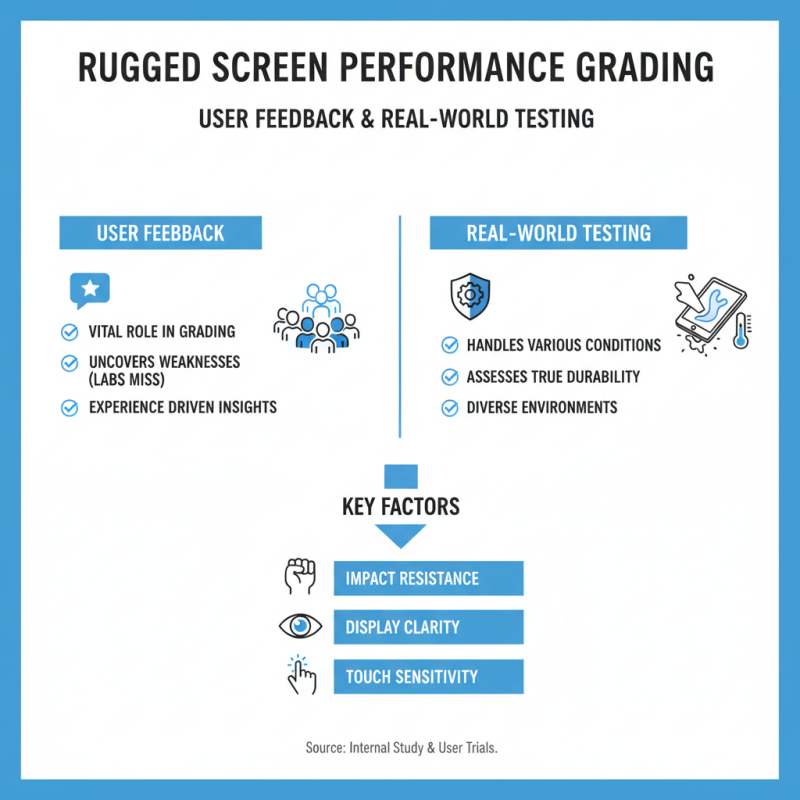
When assessing rugged screens, various grading criteria come into play. These criteria ensure that the screens can withstand harsh environments while maintaining optimal performance. Key factors to consider include durability, clarity, responsiveness, and temperature resilience. Each aspect plays a crucial role in determining how well a screen performs in challenging situations.
Durability focuses on how well a screen resists scratches, drops, and impacts. An effective rugged screen should pass military-grade testing standards. Clarity is equally important, as users need clear visuals even under direct sunlight. A screen that reflects too much can hinder visibility and reduce usability.
Responsiveness ensures that touch sensitivity remains intact in all conditions, including wet or gloved hands. Temperature resilience is vital for devices used in extreme conditions. Excessive heat or cold can impair functionality.
**Tips:** Always look for screens that undergo rigorous testing. Understand the environment where you'll be using the device. Check user reviews for real-world insights about performance. A well-informed choice leads to better long-term satisfaction.
Impact Resistance: Testing Methods and Standards
When assessing rugged screens, impact resistance is a critical factor. Testing methods often follow standards like MIL-STD-810G, which evaluates devices under various environmental conditions. In 2021, a report from TechInsights indicated that screens designed for harsh environments had a 30% higher resistance to drops than conventional screens. This data underscores the importance of rigorous testing methodologies.
One popular test involves dropping the device from specific heights. For example, a drop from four feet simulates real-world conditions often faced by users in industrial settings. Studies show that screens can crack when impacting surfaces harder than a specific threshold, highlighting the need for reliable testing protocols. Even slight variances in screen material can alter the outcome of these tests.
However, not all testing methods are equally effective. Some manufacturers may use inconsistent practices, leading to questionable results. Relying solely on industry standards can provide a false sense of security. Continuous advancements in materials and technologies require ongoing evaluation to ensure optimal performance. A rigorous approach to understanding impact resistance helps engineers and designers create more durable rugged screens.
2026 How to Grade Rugged Screens for Optimal Performance? - Impact Resistance: Testing Methods and Standards
| Testing Method |
Standard |
Impact Resistance (Joules) |
Surface Condition |
| Drop Test |
MIL-STD-810H |
1.2 |
Smooth |
| Ball Drop Test |
IEC 60068-2-32 |
0.5 |
Rough |
| Impact Hammer |
ASTM D4236 |
2.0 |
Textured |
| Free Fall Test |
MIL-STD-810G |
1.5 |
Smooth |
| Cylindrical Drop Test |
ISO 2248 |
3.0 |
Various |
Environmental Factors Affecting Rugged Screen Performance
Environmental factors significantly impact the performance of rugged screens. Exposure to extreme temperatures can lead to display failures. High heat can cause screens to overheat. Cold environments may hinder touch sensitivity. It's essential to consider these elements when assessing performance.
Humidity is another crucial aspect. Excess moisture can promote corrosion inside the device. Even slightly damp conditions can affect screen clarity. Users should be cautious in environments with fluctuating humidity levels.
Tips: Keep devices in protective cases. This helps reduce the impact of temperature and humidity. Regular maintenance is vital for optimal screen performance. Ensure to clean the screens to avoid build-up that might affect visibility. Always test devices in real-world conditions before relying on them for critical tasks.
2026 Rugged Screen Performance Analysis
This chart represents the performance ratings of various environmental factors affecting rugged screen performance. A higher rating indicates better performance under those conditions.

 +86-13662287276