Discover the Benefits of Low-Power Consumption LEDs for 2026?
In the emerging landscape of 2026, "Low-Power Consumption LEDs" are redefining efficiency in lighting solutions. Renowned expert Dr. Emily Carter, a leading figure in energy-efficient technologies, emphasizes, “Transitioning to low-power LEDs is not just a trend, it’s a necessity for sustainable living.” This statement encapsulates the urgency and significance of adopting these innovative lighting solutions.
Low-power consumption LEDs offer remarkable advantages. They consume up to 80% less energy than traditional bulbs. This drastic reduction in energy usage translates not only to lower utility bills but also a smaller carbon footprint. Additionally, their long lifespan significantly reduces waste in landfills. These lights require fewer replacements, which is a crucial consideration for both businesses and households seeking sustainability.
However, the transition to low-power consumption LEDs is not without its challenges. Some consumers question the quality of light produced by these LEDs compared to conventional options. Also, there may be initial costs that deter individuals or businesses from making the switch. Understanding these aspects is vital. Continuous education about the long-term benefits can help with this transition. The shift towards low-power LED technology is imperative, yet it requires a commitment to overcome these hurdles and embrace a brighter, more efficient future.
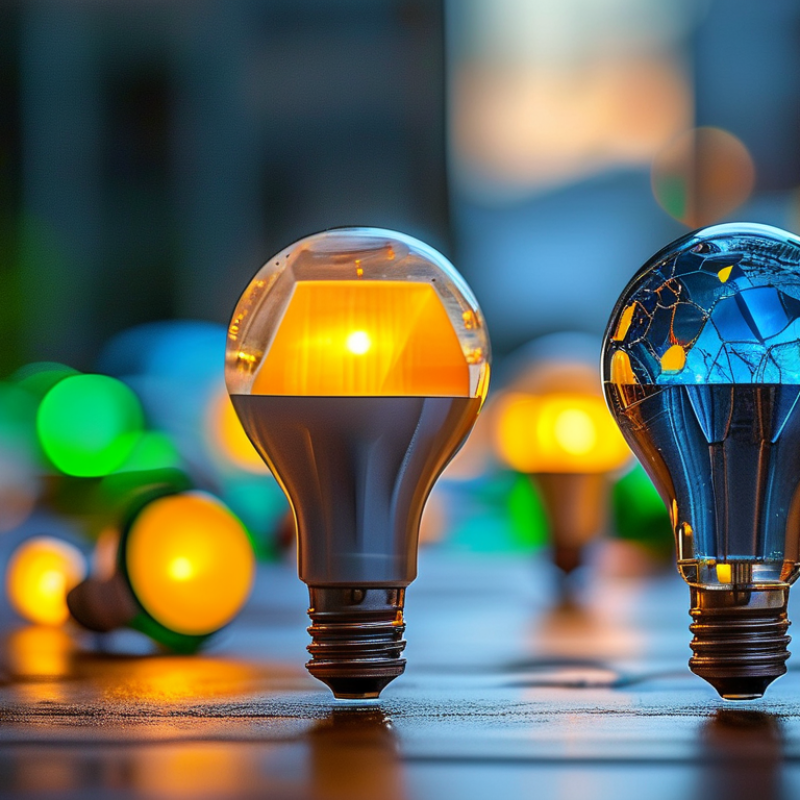
Understanding Low-Power Consumption LEDs: An Overview
Low-power consumption LEDs are quickly gaining attention for their energy efficiency and longevity. A report from the Department of Energy highlights that LED lighting consumes 75% less energy compared to traditional incandescent bulbs. This shift is crucial as the global demand for energy continues to rise. More homes and businesses are opting for these efficient lighting solutions.
Installation of low-power LEDs can lead to significant savings on electricity bills. A study from the Lighting Research Center indicates that switching to LED can save approximately $225 in energy costs over a bulb's lifetime. Moreover, low-power LEDs have a lifespan of up to 25,000 hours, reducing the need for frequent replacements and waste.
Consider these factors when choosing low-power consumption LEDs. Look for products with a high lumen-to-watt ratio. This ensures maximum brightness for minimal energy use. Additionally, assess the color temperature; warmer hues are often more inviting in residential spaces. Reflect on your current lighting setup. Are you getting the most out of your energy usage? Adopting low-power LEDs could be a step toward a more sustainable future.
Key Advantages of Low-Power LEDs for Energy Efficiency
Low-power LED technology has emerged as a game-changer for energy efficiency. According to the U.S. Department of Energy, LEDs use up to 75% less energy than traditional incandescent bulbs. This significant reduction in energy consumption translates to lower electricity bills and a reduced carbon footprint. For businesses, the economic advantages are clear. A report by the Lawrence Berkeley National Laboratory shows that widespread adoption of LED technology could save the U.S. up to $30 billion in energy costs by 2027.
The durability of low-power LEDs also contributes to their appeal. These lights last up to 25 times longer than incandescent bulbs, resulting in less frequent replacements. This longevity reduces waste and the resources required for manufacturing replacements. Furthermore, low-power LEDs emit less heat, creating a safer environment while decreasing the burden on air conditioning systems. However, it's essential to acknowledge the initial costs of LEDs, which can be higher than traditional options.
Consumer awareness and education about these benefits are crucial. Some people still perceive LEDs as overly expensive or complicated technology. Addressing these misconceptions is necessary for broader adoption. Overall, the advantages of low-power LEDs are compelling but require ongoing dialogue to encourage widespread usage.
Comparative Analysis: Low-Power LEDs vs. Traditional Lighting Solutions
Low-power LEDs are becoming an essential choice for modern lighting needs. Their efficiency can save up to 80% more energy compared to traditional incandescent bulbs, which consume more power and have shorter lifespans. According to the U.S. Department of Energy, LED lighting can last more than 25,000 hours. In contrast, incandescent bulbs typically last only about 1,000 hours. This stark difference emphasizes the long-term benefits of low-power LEDs, reducing both replacement and energy costs.
When evaluating low-power LEDs against traditional solutions, the benefits become clear. For instance, low-power LEDs emit less heat, making them safer and more energy-efficient. A recent industry report indicated that homes using LED lighting can significantly decrease their carbon footprint. It's important to note that while LEDs have a higher initial cost, their durability and energy efficiency often lead to lower overall expenditures.
Consider this for your next lighting project. Assess the specific needs of your space. Tailor your choice of LEDs based on brightness, color temperature, and design. Remember, the energy savings can be substantial. You might want to calculate your expected savings over time. An informed choice today leads to substantial benefits tomorrow, not just for your wallet, but for the environment too.
Applications of Low-Power LEDs in Various Industries
Low-power LEDs are making waves across various sectors in 2026. Their energy efficiency is a game changer. Many companies seek sustainable solutions to reduce costs. Manufacturing plants benefit from low-power LEDs, which consume less electricity and lower operating expenses. Bright and vibrant lighting promotes productivity on the factory floor.
In healthcare facilities, low-power LEDs enhance the environment. They offer bright and focused lighting in operating rooms. This clarity improves surgical precision. Less heat generation is another advantage. Patients feel more comfortable, leading to better recovery experiences.
Retail spaces also gain from low-power LEDs. These lights create an inviting atmosphere for customers. Vibrant displays catch the eye. Yet, some retailers struggle with transitioning from older lighting systems. The initial cost and changes in ambiance can be challenging. Companies must weigh these factors for long-term benefits.
Future Trends: The Role of Low-Power LEDs in Sustainable Practices
Low-power consumption LEDs are reshaping the landscape of sustainable practices. These energy-efficient lights use 75% less energy than traditional incandescent bulbs, leading to significant cost savings. According to the U.S. Department of Energy, widespread adoption of LED lighting could save over $30 billion in energy costs annually by 2027. This statistic illustrates how essential low-power LEDs are in our shift toward greener solutions.
In urban environments, low-power LEDs contribute to reduced carbon emissions. For example, the energy usage of outdoor lighting can be drastically cut down, aiding in climate action efforts. However, not all industries are quick to adapt. The initial cost and awareness remain barriers for some, even though these LEDs boast longer lifespans. Reports indicate that using LEDs can decrease lighting maintenance costs by up to 75%. Embracing these technologies requires collective action and education, focusing on their long-term benefits rather than short-term investment.
Moreover, the integration of low-power LEDs into smart city designs furthers sustainability. Cities can harness data to manage energy use more effectively. Yet, challenges persist, including the need for infrastructure upgrades. Striking a balance between innovation and practicality is crucial. As industries navigate these complexities, the future of low-power LEDs promises a sustainable path forward, but it demands ongoing dialogue and commitment.
Discover the Benefits of Low-Power Consumption LEDs for 2026
This chart illustrates the quantifiable benefits of adopting low-power consumption LEDs by the year 2026, highlighting key areas such as energy savings, lifespan, CO2 emissions reduction, maintenance cost savings, and anticipated market growth.

 +86-13662287276