2026 Top Trends in Automotive Display Panels What to Expect?
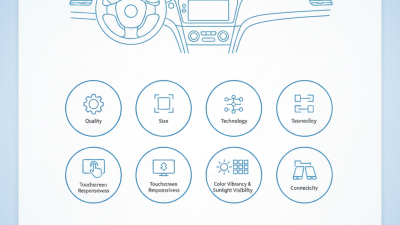
The automotive industry is rapidly evolving, and so are the technologies that drive it. In 2026, Automotive Display Panels are set to play a vital role in this transformation. These panels are not just screens; they are the interface between drivers and their vehicles. The advancements in display technology will enhance user experience significantly.
These panels will integrate high-resolution graphics, innovative touchscreen controls, and augmented reality features. Drivers will enjoy a more interactive experience while navigating. However, as technology progresses, challenges will arise. Manufacturers must balance cutting-edge features with safety and usability.
Moreover, there is a growing concern about screen distractions while driving. It’s crucial for designers to keep functionality front and center. As trends emerge in Automotive Display Panels, reflection on user feedback will be essential. The future is bright, yet not without its hurdles. Each innovation must consider both the excitement of new tech and the importance of driver safety.
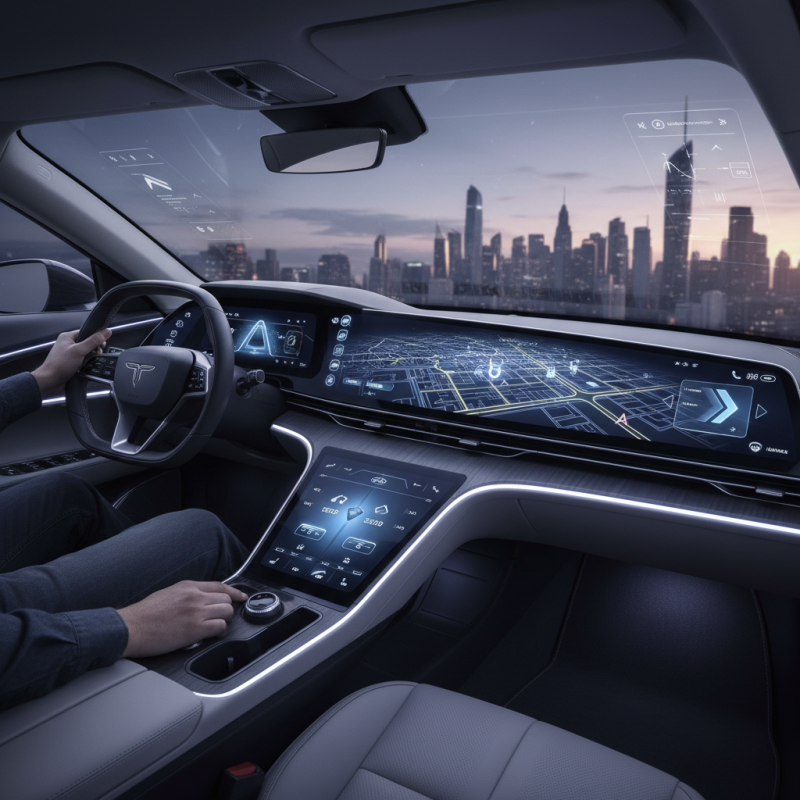
Emergence of Multi-Layered Display Panels in Automotive Industry
The automotive industry is witnessing a significant shift with the rise of multi-layered display panels. These innovative panels promise enhanced visibility and functionality in vehicles. They allow for the integration of various technologies in a compact format.
These layers can display critical information, entertainment content, and navigation systems simultaneously.
One notable feature is their ability to adapt to changing conditions. For instance, the panels can adjust brightness based on ambient light. This ensures optimal visibility in all driving scenarios. However, there are challenges in terms of production costs and durability. Not all manufacturers are prepared to invest in these advanced technologies.
Industry experts note that the transition to multi-layered displays is not without setbacks. There are concerns regarding their complexity and potential impacts on manufacturing processes. The experience gained in developing these technologies will eventually lead to improvements in user experience. As the automotive landscape evolves, so will the expectations for display technologies.
Advancements in OLED Technology for Enhanced Visual Experience
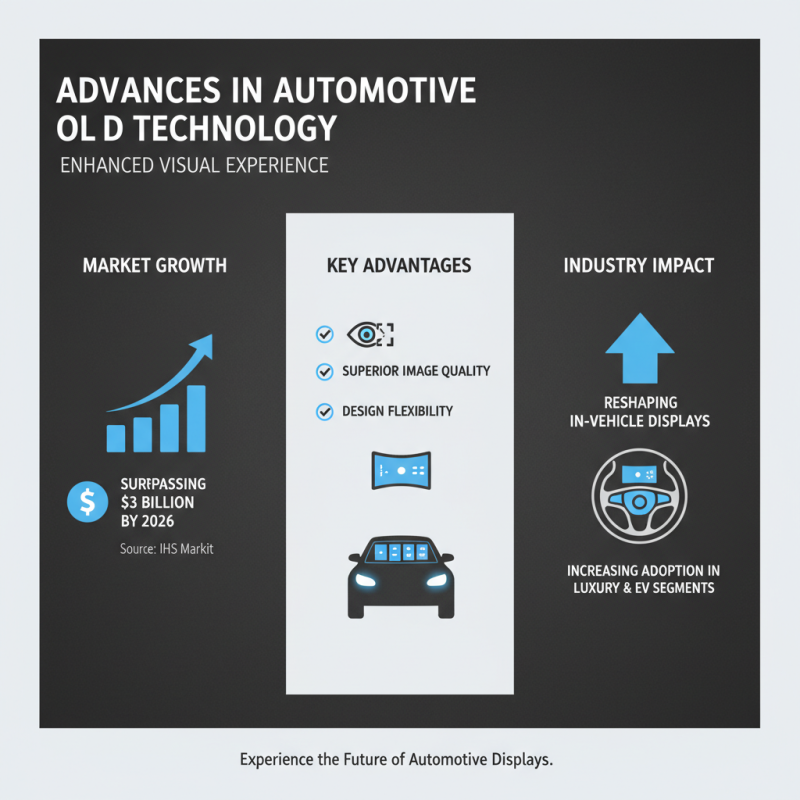
The automotive industry is witnessing significant advancements in OLED technology, which is reshaping visual experiences in vehicles. Research from IHS Markit indicates that the OLED market in automotive applications is set to surpass $2 billion by 2026. This growth highlights the technology's increasing popularity for display panels, driven by the demand for superior image quality and design flexibility.
OLED panels offer vibrant colors and deep contrasts. They can produce true blacks, which enhance the overall viewing experience. A report by OLED Association shows that these displays can reduce power consumption by up to 30% compared to traditional LED screens. However, challenges remain. Concerns about durability and cost continue to sow doubt in the minds of manufacturers. The long-term reliability of OLED displays in challenging environments, such as extreme temperatures or direct sunlight, is still under scrutiny.
Despite these hurdles, innovations in materials and production techniques are promising. Flexible OLEDs enable new design possibilities for curved screens and seamless integration into car interiors. Yet, the adoption of OLED technology in the automotive sector must overcome numerous technical issues. Effective solutions could spur broader acceptance and push OLED to the forefront of automotive display technology.
Integration of Augmented Reality in Automotive Displays by 2026
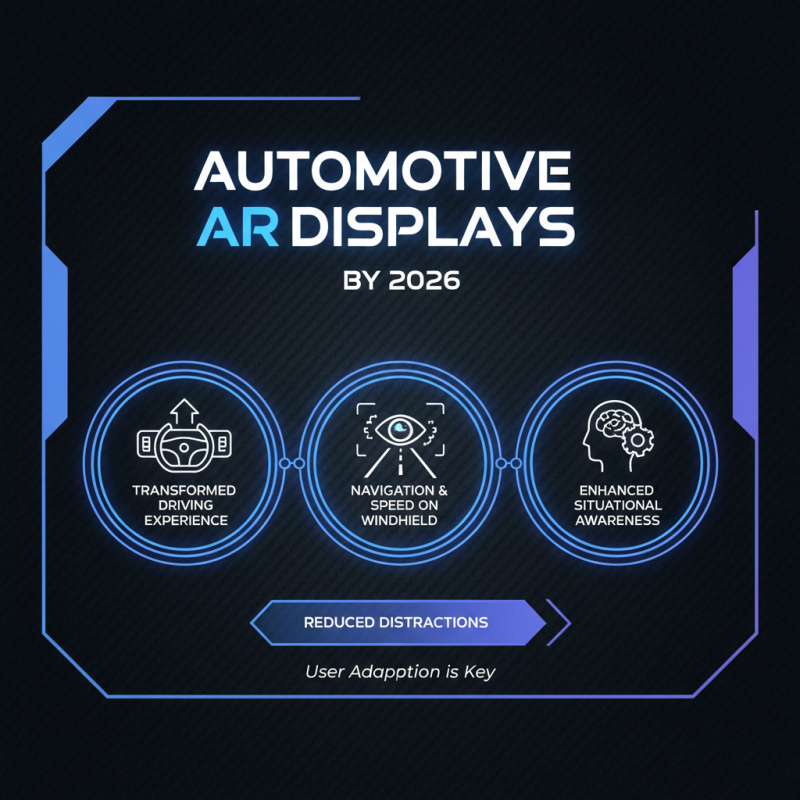
In 2026, the integration of augmented reality (AR) in automotive displays is set to transform the driving experience significantly. Imagine driving while essential information appears directly on your windshield. Navigation prompts and speed limits could be displayed seamlessly. This technology aims to enhance situational awareness. Drivers can keep their eyes on the road, reducing distractions. However, the effectiveness of AR may also depend on user adaptation.
Certain challenges need to be addressed. The accuracy of AR projections must be reliable. Otherwise, drivers might misinterpret critical information. Additionally, there are concerns regarding user overload. Too much data presented at once can overwhelm rather than assist. The balance between helpful features and information overload will require careful consideration.
Moreover, vehicle manufacturers will face the challenge of standardizing AR interfaces. Variations in technology could confuse users across different vehicles. Ensuring interoperability and consistency will be crucial. As we approach 2026, the collaboration between manufacturers, software developers, and researchers will shape this emerging technology for the better.
Impact of AI and Machine Learning on Display Panel Functionality
The integration of AI and machine learning has begun to redefine automotive display panels. These technologies can analyze driver behavior and preferences, providing tailored experiences. For example, adaptive displays can change brightness and contrast based on ambient lighting. Such features improve visibility and enhance safety.
Because AI-driven algorithms utilize data effectively, they can monitor vehicle diagnostics in real time. This capability enables early detection of potential issues, allowing for proactive maintenance alerts. However, the reliance on AI raises concerns about data privacy and security. Consumers must trust that their information remains safeguarded.
Furthermore, not all AI applications have gone smoothly. Some drivers find it challenging to interact with advanced systems. Overcomplicated interfaces can distract rather than assist. As manufacturers optimize designs, the aim will be to balance innovation with user-friendliness. Enhancing panel functionality is vital, but the human experience remains essential.
2026 Top Trends in Automotive Display Panels What to Expect? - Impact of AI and Machine Learning on Display Panel Functionality
| Trend |
Description |
Expected Impact |
AI and ML Contribution |
| OLED Displays |
Improved color accuracy and contrast ratios. |
Enhanced visual experience. |
Optimized performance through real-time adjustments. |
| Augmented Reality (AR) |
Integration of AR for navigation and diagnostics. |
Improved driver situational awareness. |
Data overlay and object recognition. |
| Flexible Displays |
Curved and adaptable screens for various layouts. |
Innovative interior designs. |
AI-driven customization based on user preferences. |
| Multi-Screen Interfaces |
Use of multiple screens for enhanced functionality. |
Greater information accessibility. |
Machine learning for content prioritization. |
| Voice-Activated Displays |
Integration of voice command technologies. |
Increased safety and convenience. |
Natural language processing for accurate responses. |
Sustainability Trends in Automotive Displays: Materials and Production Methods
The automotive industry is shifting towards sustainability, especially in display panel production. Many manufacturers are exploring eco-friendly materials. Reports indicate that by 2026, over 25% of automotive display panels will utilize recycled materials. This transition reflects a broader commitment to reducing waste and lowering carbon footprints.
Production methods are also changing. Traditional processes often involve high energy consumption. However, new techniques, such as digital printing and additive manufacturing, promise to minimize energy use. A study by the International Energy Agency highlights that optimizing production could reduce energy needs by up to 30%.
Tips: Focus on materials that are both sustainable and durable. Look for partnerships with suppliers who prioritize renewable resources. Keep track of industry trends; staying informed is vital for making sustainable choices. The path to sustainability also includes reassessing the lifecycle of display panels. Understanding their impact from production to disposal remains crucial for future innovations.

 +86-13662287276