2026 Top Marine Grade LCD Monitors for Ultimate Durability and Performance?
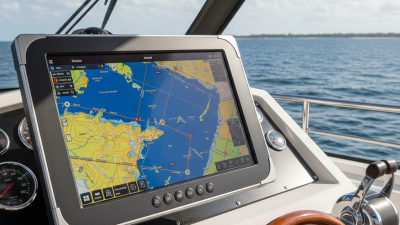
In the ever-evolving marine technology sector, "Marine-Grade LCD Monitors" have become indispensable tools for maritime activities. These monitors withstand harsh conditions, ensuring reliable performance on the water. Renowned expert Dr. James Harlow emphasizes their importance: "Durability is non-negotiable when working in marine environments."
The 2026 market offers advanced features, enhancing durability and usability. Sailors and marine engineers rely on these monitors for crucial data. Harsh weather can often compromise standard monitors, but marine-grade variants stand resilient. They are built to endure saltwater exposure and extreme temperatures.
Despite their advancements, choosing the right monitor can still be challenging. Not all brands meet the required standards, leading to potential failures. Users must consider specific factors such as brightness, glare reduction, and touchscreen capabilities. The right choice makes a significant difference. Remember, not every option will provide the needed performance.
Top Features to Consider in Marine Grade LCD Monitors
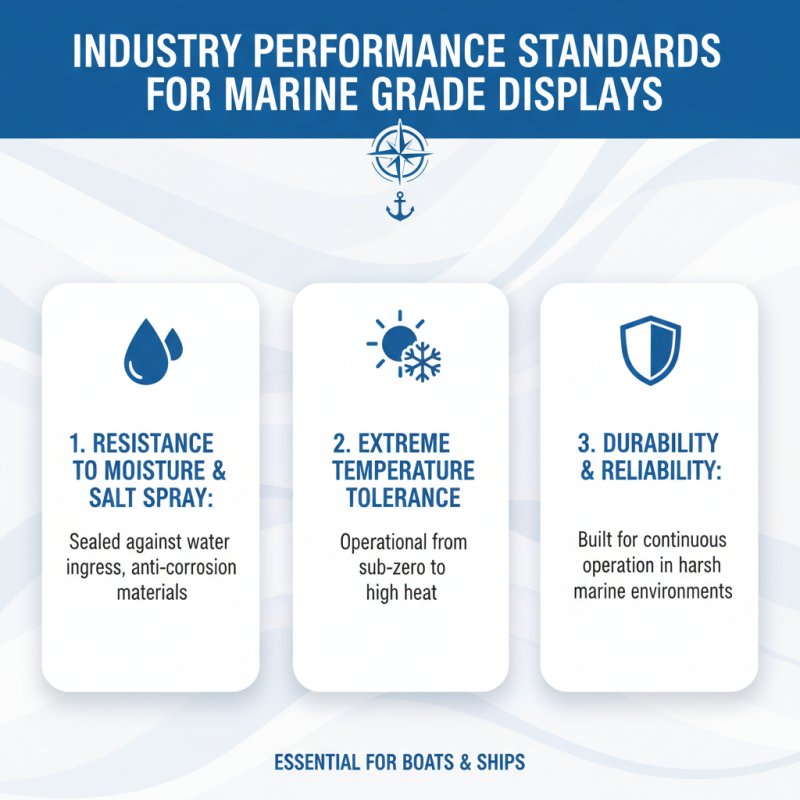
When selecting marine grade LCD monitors, durability is crucial. These monitors must withstand harsh environments, including saltwater, humidity, and extreme temperatures. Industry reports indicate that up to 80% of marine equipment failure stems from environmental factors. A reliable marine monitor should feature IP65 or higher ratings for water and dust resistance. This ensures function even in challenging conditions.
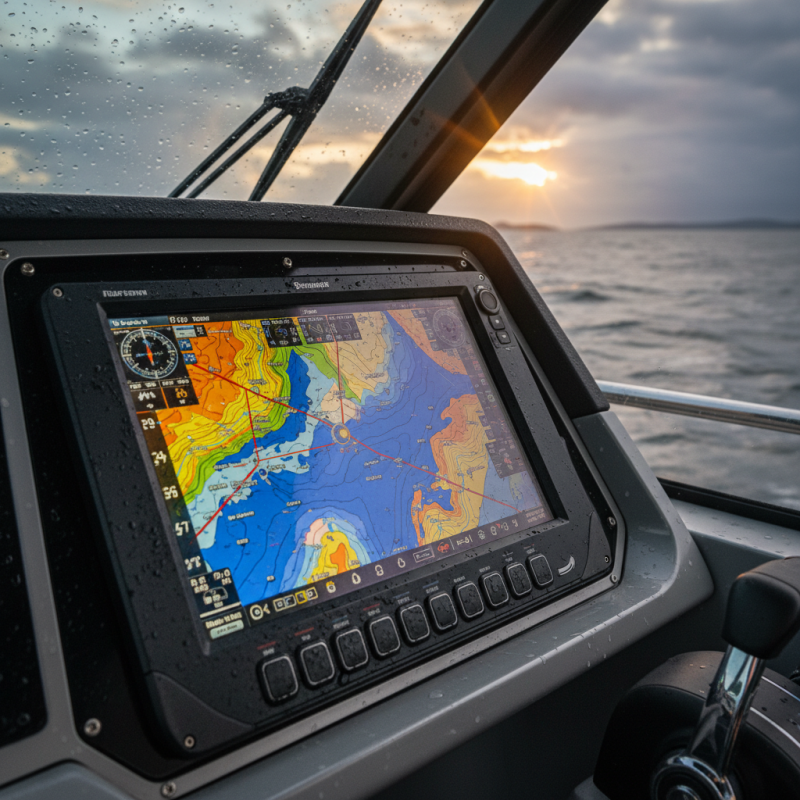
Another important feature is brightness. Monitors must offer high luminous output, ideally around 1,500 nits, to combat sunlight glare. Screens with anti-reflective coatings further enhance visibility. Additionally, a wide viewing angle is essential. Monitors with IPS technology can provide consistent color and contrast up to 178 degrees. These features empower crew members to see critical data from varying positions on the vessel.
Consider the touch interface as well. Resistive and capacitive touch options each have pros and cons. Resistive screens work well with gloves but may lack sensitivity. Capacitive screens offer high responsiveness but require bare fingers. An effective marine monitor balances usability and environmental durability. Regular assessments and technology upgrades can ensure these monitors meet evolving needs.
2026 Top Marine Grade LCD Monitors for Ultimate Durability and Performance
| Model |
Screen Size |
Resolution |
Brightness (NIT) |
Contrast Ratio |
Weather Resistance |
Viewing Angle |
| Model A |
15 inch |
1920 x 1080 |
1000 |
1000:1 |
IP65 |
178° |
| Model B |
17 inch |
1280 x 1024 |
800 |
700:1 |
IP67 |
170° |
| Model C |
21.5 inch |
1920 x 1080 |
1200 |
800:1 |
IP65 |
178° |
| Model D |
24 inch |
1920 x 1200 |
1300 |
1000:1 |
IP66 |
178° |
| Model E |
27 inch |
2560 x 1440 |
1500 |
1200:1 |
IP65 |
178° |
Durability Testing Methods for Marine LCD Monitors
Durability is crucial for marine LCD monitors. These devices face harsh environments, including saltwater, moisture, and extreme temperatures. Effective testing methods can ensure resilience. One common approach involves salt fog testing. This simulates the corrosive conditions of marine environments. Monitors undergo hours or days in a chamber filled with salt-laden air. Performance assessments follow to check display integrity.
Another method is the vibration test. Monitors are subjected to continuous vibrations, mimicking those experienced on boats or ships. This test identifies weaknesses in construction. It reveals how well the monitor can endure turbulent conditions at sea. Optical clarity is also assessed after vibration tests. Any blurring can indicate a design flaw needing attention.
Temperature cycling is essential as well. Monitors experience rapid temperature changes on marine vessels. Testing involves exposing the device to extreme heat and cold cycles. Each transition checks for physical and functional stability. These tests highlight vulnerabilities that manufacturers must address. Despite rigorous testing, there may still be room for improvement. Enhancing designs based on test outcomes is ongoing. Doing so will lead to better products that stand the test of time in harsh marine conditions.
Comparative Analysis of Popular Marine Grade LCD Brands
Marine grade LCD monitors are essential for those who demand
durability and performance in harsh environments.
These monitors are designed to withstand extreme temperatures,
humidity, and saltwater exposure. A comparative analysis of popular
marine grade brands reveals significant differences in their construction
and technology. Some brands focus on improved display clarity, while
others emphasize ruggedness and protection against corrosion.
When choosing a marine grade monitor, it's crucial to evaluate the
display brightness. High brightness ensures
visibility even under direct sunlight. Look for monitors with anti-glare
features, as they enhance usability in bright conditions.
Compatibility with marine navigation systems is also vital.
Ensure your chosen monitor can integrate smoothly with existing equipment.
Tips: Always read user reviews.
They provide insights into real-world experiences. Don't rush your decision;
take the time to analyze different models. Seek expert advice if you're unsure
about specific features. Remember, what's perfect for one situation may
not suit another. Acknowledging your own needs can lead to a
more satisfying purchase.
Future Trends in Marine Grade Display Technologies
Marine grade displays are evolving rapidly. These monitors must withstand harsh conditions. Saltwater, humidity, and temperature extremes can cause failure. Manufacturers are focusing on durability. Enhanced coatings protect screens from abrasion and corrosion. This is crucial for boat operators and crew.
Future display technologies aim to improve user experience. Touchscreen functionality is increasingly reliable, even in rain. Improved visibility under sunlight is another priority. Advanced LED backlighting and high contrast ratios help. The idea is to make screens easier to read on the water. However, challenges remain in energy efficiency and responsiveness.
As innovations unfold, marine grade displays might integrate smart features. Connectivity with GPS and navigation systems could be seamless. Customization options will cater to various user needs. Yet, there is always a risk. Overcomplicating technology might alienate traditional users. Balancing performance and usability is essential for progress.
2026 Top Marine Grade LCD Monitors Performance Overview

 +86-13662287276